After the ShakeOut: First Aid for Earthquake Injuries
· 4 min read · David Onori
Excerpt: A practical after-action guide to earthquake injuries, checking for hazards, calling for help, and providing safe first aid while professional responders are on the way.
The Great California ShakeOut takes place each October. Participants practice Drop, Cover, and Hold On at 10:15 a.m. local time, using the day’s official date for their location.
The drill itself is simple: drop, cover, and hold on. But the drill is really just the beginning of the conversation. What happens in the minutes and hours after the shaking stops is where preparation — and training — makes the difference between life and death.
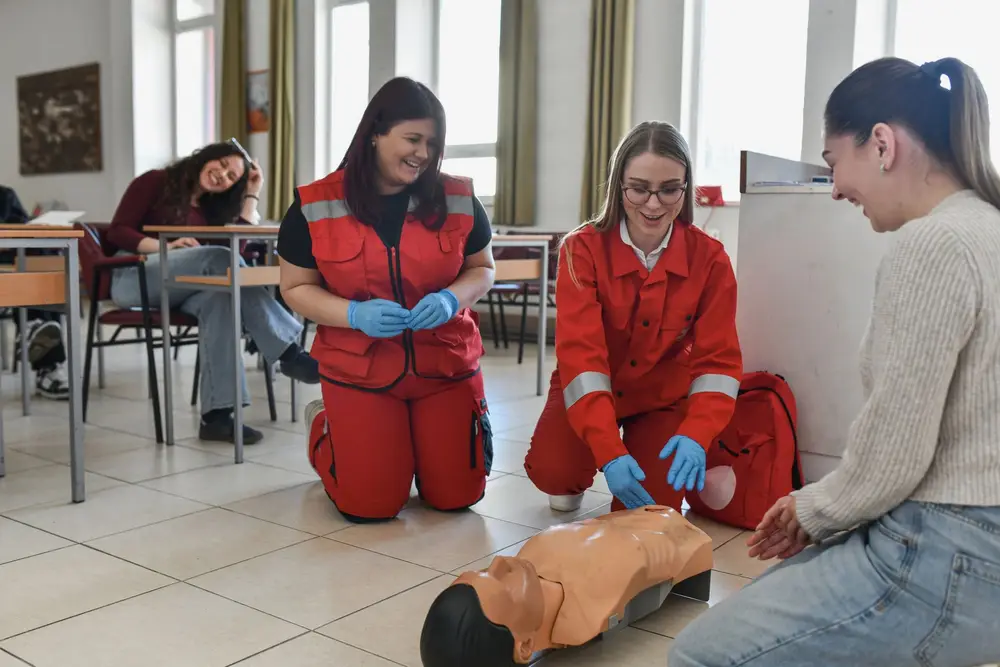
I personally lead CPR and First Aid classes throughout San Diego County and surrounding communities. And every time I teach, I remind my students: earthquakes don't just knock things over. They create medical emergencies.
What Injuries Actually Happen After an Earthquake
When a major earthquake strikes, the injuries that follow are predictable — and many of them are survivable with basic first aid skills.
Traumatic injuries from falls and debris
Falling objects, broken glass, and structural collapse cause lacerations, fractures, and head injuries. Knowing how to control severe bleeding — applying direct pressure, using a tourniquet if needed — can keep someone alive until EMS arrives. This is exactly what I cover in my Stop the Bleed training.
Cardiac events triggered by shock and exertion
The physical and emotional stress of a major earthquake can trigger sudden cardiac arrest, especially in older adults or people with underlying heart conditions. Bystander CPR and AED use in the first few minutes dramatically increases survival odds. If EMS is delayed — and after a major earthquake, it will be — the person next to you may be the only help available.
Crush injuries and prolonged entrapment
People trapped under debris can develop serious complications. Keeping them calm, monitoring their breathing, and knowing when and how to move someone safely are skills that matter in these scenarios.
Choking and airway emergencies
Dust, debris, and panic can all contribute to airway emergencies. Knowing how to respond to a choking adult, child, or infant is a core part of every class I teach.
Why Southern California Residents Need to Be Ready
We live in earthquake country. The Inland Empire, Temecula Valley, and San Diego County all sit near active fault systems. The question isn't if — it's when.
The Great ShakeOut is a reminder that preparedness isn't just about having a go-bag or knowing your evacuation route. It's about knowing what to do when someone near you is hurt and help is 20 minutes away.
That's the gap that CPR and first aid training fills.
What I Teach — And Why It Matters Right Now
I come to you. Every class I lead is onsite — at your workplace, your school, your church, your gym, or your home. That means your team trains together, in the space where they actually work, with the people they'd actually be helping in an emergency.
My courses include:
- CPR/AED & First Aid — adult, child, and infant CPR, AED operation, choking response, and basic first aid
- BLS (Basic Life Support) — for healthcare providers and those who need a higher level of certification
- Stop the Bleed — tourniquet application, wound packing, and severe bleeding control
American Red Cross certification is standard; HSI certification is available only when a client specifically requests it. Check your digital certificate for the applicable expiration date.
Use the ShakeOut as Your Trigger
If your workplace, school, or organization is participating in the annual Great ShakeOut drill, use it as the moment to ask: what happens next?
Drills teach people to protect themselves during the shaking. Training teaches people to protect each other after it stops.
Classes are scheduled by appointment throughout my service area. Include 2–3 preferred dates, your course, location, and group size when requesting training.
David Onori is a Trained Emergency Medical Responder (EMR) and certified CPR/First Aid instructor serving Southern California. He is a member of the Red Cross Ready Rating Business program and an American Red Cross certified instructor. HSI is available only when specifically requested.
Explore Topics
Written by
David Onori
David Onori is a trained EMR and American Red Cross certified instructor who personally leads mobile First Aid and CPR/AED classes throughout the service area.